

Three encounters with Ronnie Burkett’s ‘Wonderful Joe’ have reinforced the importance of compassion for those living on society’s margins. Through laughter, heartbreak and extraordinary puppetry, Burkett reminds us that, however different we may appear, our shared humanity binds us together.
Dear Ronnie,
It’s been a while since I’ve written a letter to share my thoughts about a theatrical production. This time, however, a conventional review doesn’t seem quite right.
I’ve now seen Wonderful Joe three times. I first saw it at Toronto’s Canadian Stage, then at last month’s performance at Gananoque’s Thousand Islands Playhouse. Last night, I returned for a third visit, following the opening at Montreal’s Centaur Theatre.
Three performances. Three introspective journeys. Each has left me considering more deeply what it means to recognize the humanity of those society too readily dismisses as outcasts.
Thank you, Ronnie, for introducing me to these remarkable characters.
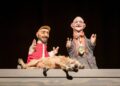
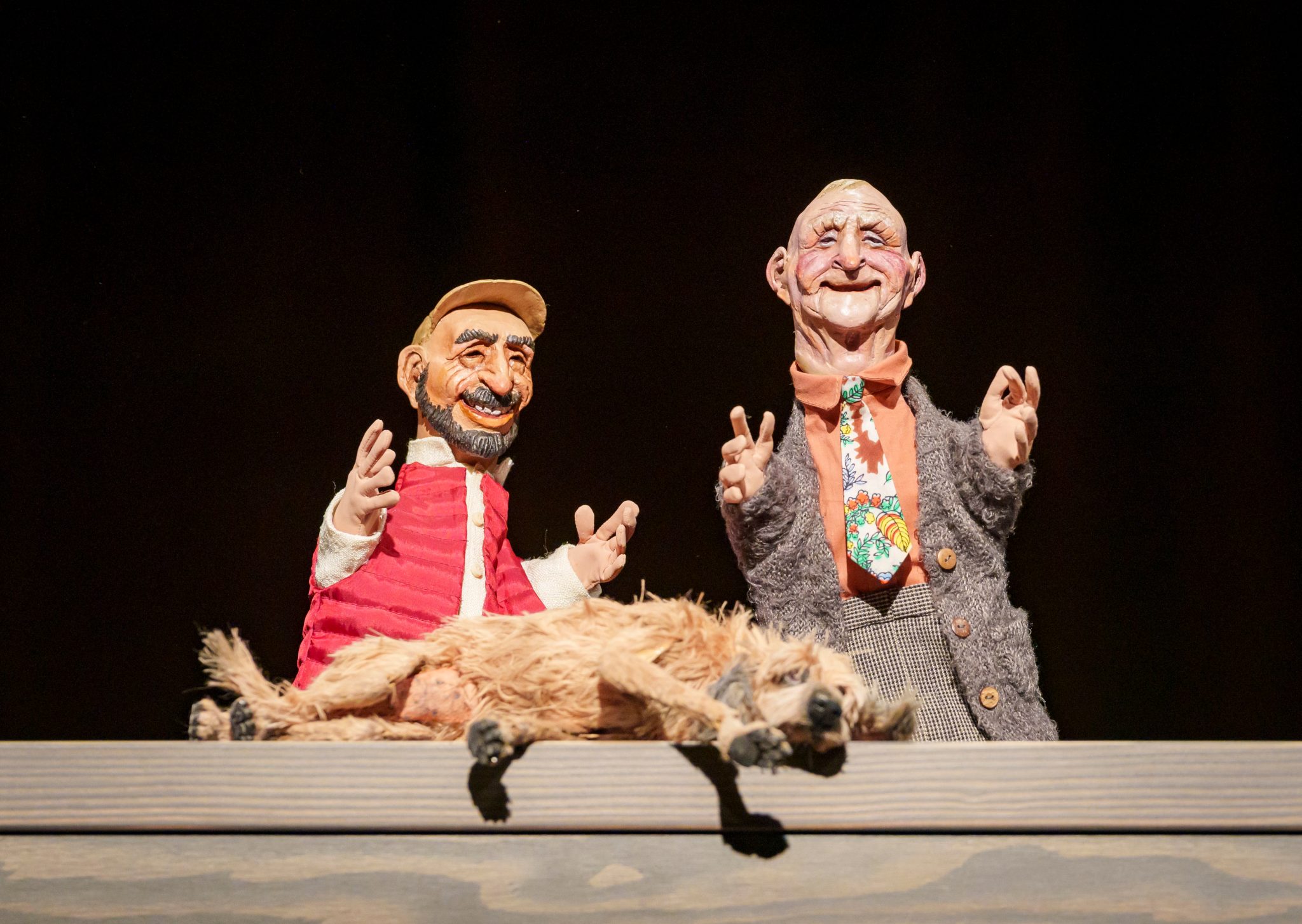
Their world is collapsing. The apartment complex they call home faces demolition, leaving its residents frightened and uncertain about where they will go. Joe and his devoted dog, Mister, face not only displacement but the possibility of separation. Their circumstances raise uncomfortable questions. Where do people go when the place they call home disappears? Who listens to their fears? And why are those already vulnerable so frequently defined by labels rather than recognized as individuals?
Something remains amiss.
And this, I believe, is where Wonderful Joe asks something important of its audience.
Can we open our hearts sufficiently to listen to these characters and genuinely hear what they are telling us?
Rather than approach this letter through a detached, academic framework, I wanted to adopt a personal, conversational voice, much like the way your characters speak and sing their stories to us.
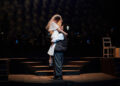
From what I recall of the Canadian Stage production, the distinctive puppetry setting remains vivid in my memory: marionettes hanging quietly at the side, awaiting your hands and voice to breathe life into their complicated, sometimes contradictory, but ultimately beautiful souls.
That same theatrical intimacy remains evident in Gananoque and Montreal.
Your command of the marionettes is extraordinary, but the artistry extends beyond their physical manipulation. Through changes in voice, movement, timing and characterization, these figures gradually cease to register as constructed objects. They become individuals whose experiences invite our emotional investment. Your affection for them is unmistakable. Yet Wonderful Joe also reminds us that loving theatre is not enough. The art form can challenge audiences to examine how they regard the people living outside the boundaries of conventional social acceptance.
As I continue reflecting on the production, Ronnie, one particular irony stays with me.
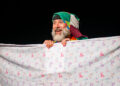
In their cartoonish grotesqueness, Santa, Mother Nature, Sunny and Getti become recognizably human. Beneath their exaggerated appearances are survivors who have seen the darker side of human nature and somehow found the strength to keep going. Their emotional scars remain. You do not erase their trauma through sentimentality. Instead, humour lets their experiences emerge without reducing them to objects of pity.
That is one of the production’s most affecting accomplishments.
We laugh at their outrageousness, only to recognize something familiar beneath it. Their stories reveal vulnerabilities, contradictions and desires that are hardly exclusive to those living on society’s margins. And Joe’s companionship with Mister gives this exploration of humanity an especially tender centre. In a world that threatens to separate them, their devotion becomes a reminder of how profoundly we need connection, affection and the reassurance that we matter to someone.
Now, Ronnie, allow me to approach another aspect of Wonderful Joe from a perspective that may surprise some readers.
As a practising Catholic, I might initially regard your depiction of the marionette Jesus as bordering on blasphemy.
But I don’t.
As I continue growing in my faith, I have come to appreciate that humour and irreverence need not diminish serious spiritual questions. Sometimes they offer an unexpectedly effective way to confront them. The late comedian Joan Rivers frequently pushed the boundaries of acceptable humour, compelling audiences to laugh at subjects they might otherwise have found too uncomfortable to confront.
Your approach operates within a different artistic framework, but I recognize something similar in your willingness to use laughter to expose difficult truths. You ask us to consider the downtrodden, the forgotten and those whose circumstances make them inconvenient to acknowledge.
From my Catholic perspective, that invitation resonates deeply with what the faithful are called to practise daily. And you’ve peppered it with laughter and humour.
Bravo!
One of my favourite religious images is that of the laughing Jesus. I like to imagine him watching Wonderful Joe with a broad smile, recognizing the familiar foibles, contradictions and weaknesses that make us human. Perhaps that sounds sentimental coming from this senior theatre lover. So be it.
I laughed, too, because I recognized something of myself in these characters. Faith does not exempt anyone from weakness or imperfection. If anything, it should encourage greater humility in acknowledging both.
Which brings me to you, Ronnie.
Even the artist who creates these wonderfully flawed characters is not immune to moments of human irritation.
At Centaur, two cell phones interrupted the performance. Your initial frustration was understandable. Yet your pointed response to the offending audience members: “It’s your money” also drew laughter. I recalled another unexpected moment during the Gananoque engagement when one marionette’s head detached during the performance. Your startled expletive acknowledged the mishap immediately, but you recovered with the assurance of an experienced performer, letting the audience laugh along with you rather than get distracted by the accident.
These unscripted moments reveal something about the relationship you establish with your audience. We recognize the person behind the artistry, complete with the same occasional frustrations and vulnerabilities that characterize the figures onstage. The subsequent talkback at Gananoque’s Firehall Theatre offered another opportunity to appreciate your commitment to these characters and the stories they tell. Your theatrical gift lies not simply in making marionettes move convincingly. It is your ability to transform them into individuals whose experiences continue to resonate long after the performance ends.
By the final moments of Wonderful Joe, the laughter has given way to something quieter and more affecting. The possibility of losing someone we love has become painfully recognizable.
Yes, I wiped a tear from my eye.
That, Ronnie, is the precious responsibility you have accepted as an artist. You entertain, but you also invite audiences to consider experiences beyond their own. You encourage us to recognize the dignity of people whom we might otherwise overlook.
Whether you intended it or not, I see in Wonderful Joe a striking reflection of three principles central to Roman Catholic social teaching: the Option for the Poor and Vulnerable, Solidarity, and the Life and Dignity of the Human Person.
I am not suggesting that your production must be understood through a Catholic lens. Its compassion and humanity extend well beyond any single religious interpretation.
Rather, I am grateful that your work has encouraged me to examine my own faith more deeply and consider how its teachings might be better reflected in my everyday treatment of others.
That is no small accomplishment.
And please, keep the 16+ audience advisory. Your humour and theatrical irreverence will not appeal to everyone, nor should they. Their willingness to confront uncomfortable subjects is part of what makes Wonderful Joe such a distinctive experience.
After three performances, I find myself returning to one central thought.
Our differences, however visible or pronounced, do not diminish the humanity we share. If anything, they should encourage us to approach one another with greater curiosity, compassion and understanding.
Thank you, Ronnie, for reminding me of that.
Continued success and many full houses as Wonderful Joe moves on to its next destination.
With heartfelt gratitude,
Joe Szekeres
Founder, Editor and Publisher, Our Theatre Voice
Canadian Theatre Critics Association
Toronto Theatre Critics Jury
Wonderful Joe continues at Montreal’s Centaur Theatre, 453 Saint-François-Xavier Street, until November 1, 2026. The production is intended for audiences aged 16 and older. For tickets: (514) 288-3161 or visit centaurtheatre.com.