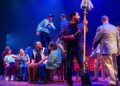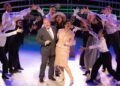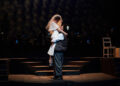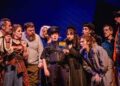


Opera Atelier’s production invites audiences to consider the timeless, shared nature of grief.
Review written by Our Theatre Voice Guest Writer Keilantra Huang
Opera Atelier’s production of The Descent of Orpheus finally brings Marc Antoine Charpentier’s incomplete 17th-century composition to the Canadian stage. Based on the classic Greek myth of Orpheus and Eurydice, lovers who are separated by death, briefly reunited, only to eventually fall back into despair.
Opera Atelier extends Charpentier’s incomplete manuscript into a touching, vibrant 2.5-hour performance full of impressive vocals, physicality, and technical elements. In doing so, Opera Atelier invites audiences to consider the timeless and shared nature of grief.
The performance featured rich, melodic vocal performances that spellbound the audience. Each singer carefully balanced a powerfully fierce timbre with fluid movement and masterful breath control. The performers’ impressive vocals were bolstered by their intentional physicality. After all, they remained mostly stationary to preserve their breath control.
Performers like Mireille Lebel as Persephone naturally gravitated towards or away from others to establish their characters’ status and emotional ties. In particular, Lebel, with her searching gaze, increasingly leaned towards Daniel McGrew (Orpheus) to expertly show Persephone’s gradual sympathy. Her open body language contrasted with Oliver Bergeron’s brief portrayal of Apollo, who, when convincing Orpheus to save Eurydice from the underworld, immediately established his godly status through angular movements and an assertive demeanour.
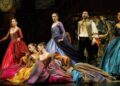
Similarly, the ensemble’s wholehearted interaction with the space, contrasted with their delicate movements, brought vitality to the storyline. For instance, in Act 1, during Eurydice and Orpheus’ wedding, the ensemble members impeccably shifted from one formation to the next, from a duet to a trio to an ensemble, replicating the energy and harmonious spirit of such a joyous occasion. Conversely, in Act 2, within the realm of Hades, the ensemble gradually split into a clear divide, with some near Persephone while others around Hades, emphasizing Hades’ initial spatial dominance and the couple’s respective openness and reluctance towards Orpheus. Accordingly, after Hades relents, the ensemble comes together to form a connected leading path for Orpheus to lead Eurydice into the world, before finally scattering when he looks back, symbolizing the collapse of his dream.
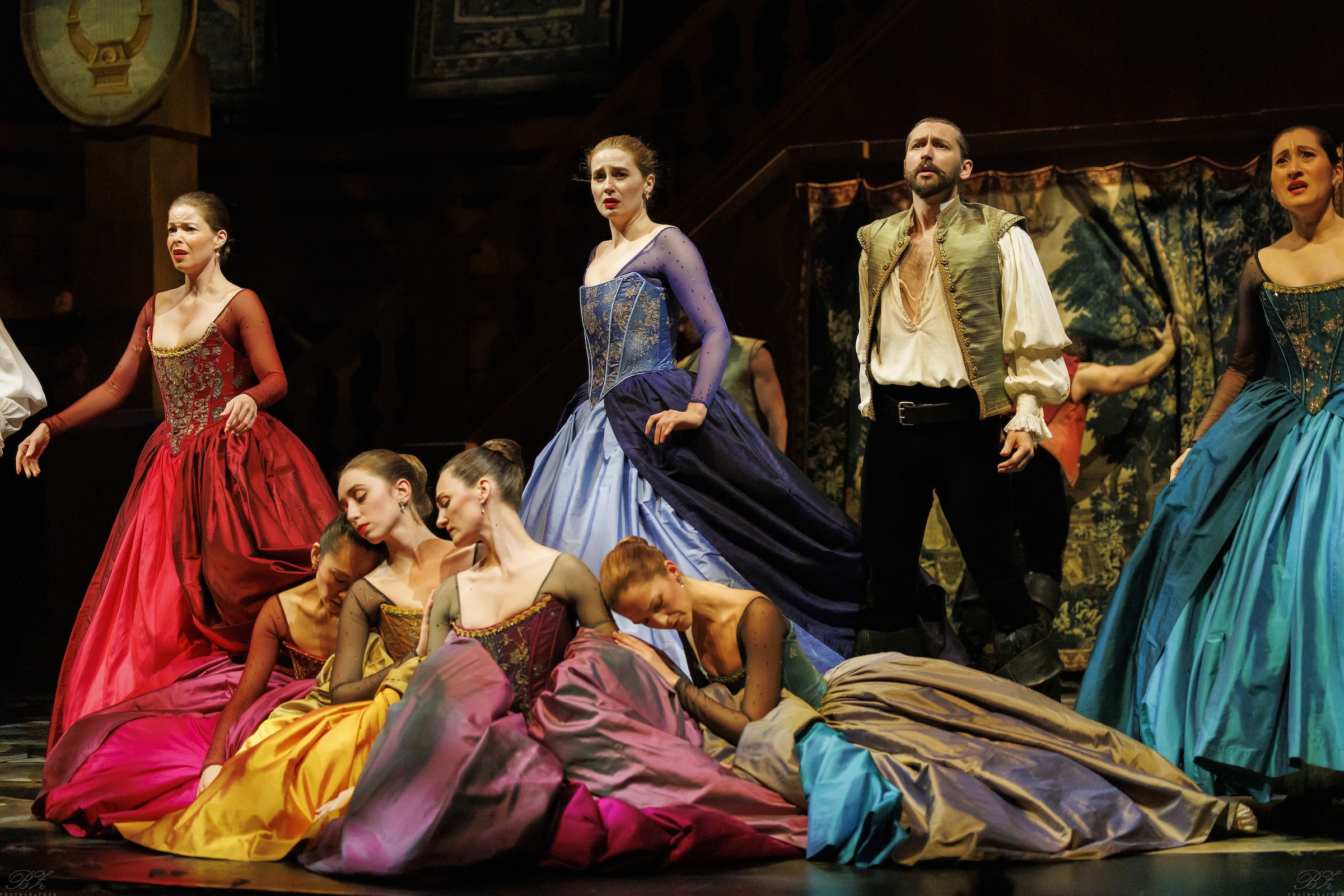
Beyond the singers’ performances, The Descent of Orpheus is rich with intricate attire, well-crafted props, and elegant set design that bring the classic myth to life. Particularly, costume designer Michael Gianfracesco’s flamboyant Baroque-style costumes in Act 1 skillfully captured the character’s joy; every costume was meticulously adorned, and no colour is repeated. This highly saturated colour scheme stood in stark contrast to the ominous, melancholic costumes of Act 2. Specifically, the three tortured men, Tantalus, Ixion, and Tityus, wore tattered white shirts with blood stains all over and were bound to wheels of punishment, shocking the audience into witnessing the harsh severity of Orpheus’ descent.
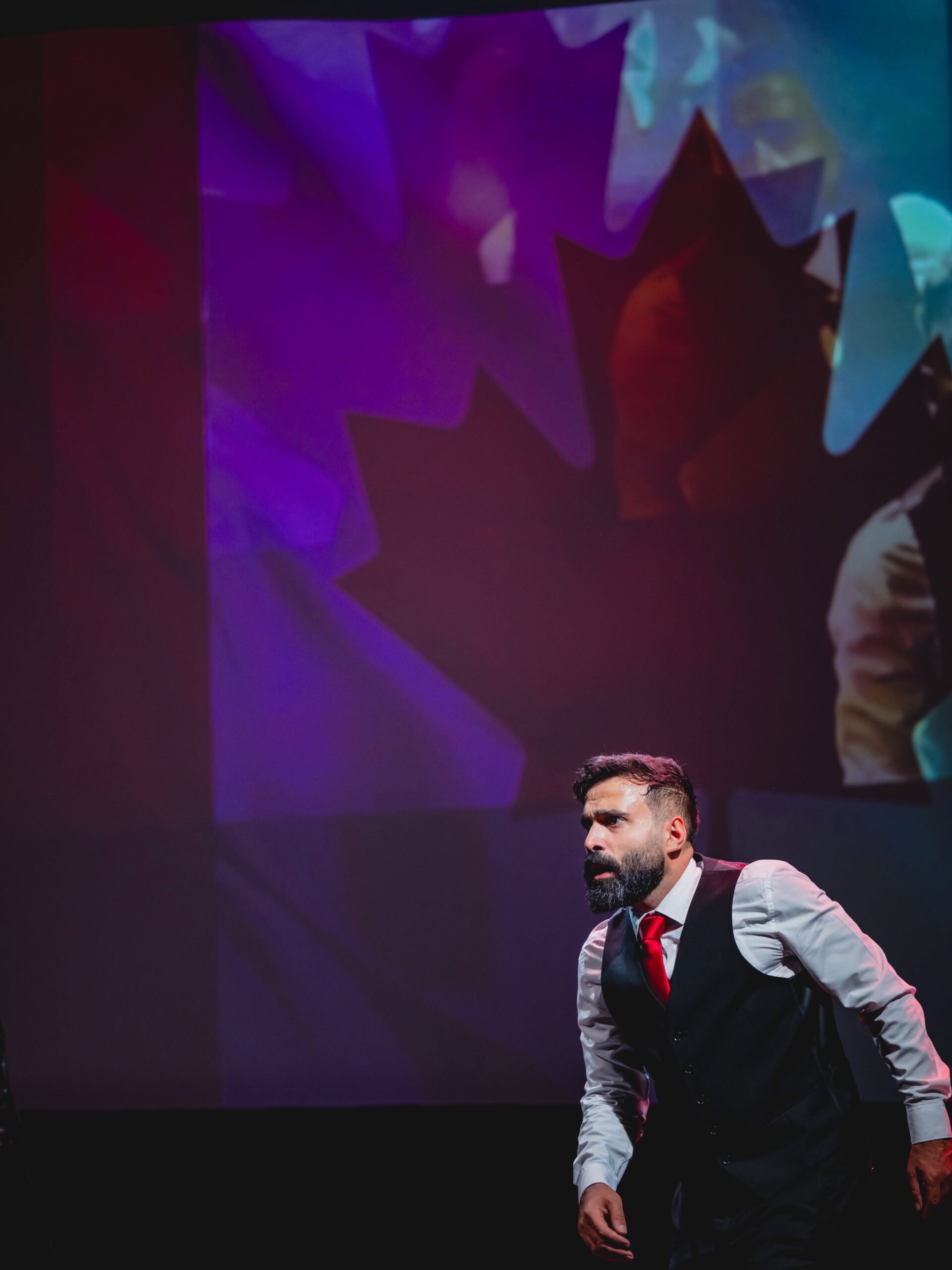
Beyond the costumes, The Descent of Orpheus masterfully crafted atmosphere through thoughtful technical elements like fog and levels during Apollo’s first entrance. By shading his body, the fog created a sense of mysticism and suspense; Bergeron’s appearance at the top of the main set of stairs reinforced his godly status. The stairs appeared in front of the background screen, which projected vivid visuals that highlighted key plot points without obscuring the performance’s essence.
Finally, for all the costumes and set were intricate, the design of the lyre, Orpheus’ main tool, was minimalist, showing how in an era of gods and the mystic, a simple, direct, and innately human instrument could ironically hold the power to sway the divine and lead to happiness—as ephemeral as it is.
Opera can undeniably be intimidating. Often sung in Italian, or in this case French, many audiences are understandably reluctant to attend a show they cannot understand. Because of this, Opera Atelier deserves credit for making their show accessible. The plot was well structured; each pivotal point, like Eurydice’s death, was marked by clear spotlights and transitions.
Moreover, English lyric translations were clearly projected on screen, making it easy for viewers to grasp fine details. Opera is also often disregarded by young people as being “too difficult to understand.” Yet this performance could certainly appeal to younger audiences, especially those drawn to the recent popularity of Hadestown, making The Descent of Orpheus an excellent gateway into the medium as a whole.
Ultimately, driven by stunning vocals, authentic physicality, ornate technical elements, and thoughtful accessibility, Opera Atelier’s The Descent of Orpheus reinterprets a centuries-old myth and composition into a moving and rewarding viewing experience for seasoned opera enjoyers and newcomers alike.
The Descent of Orpheus runs from October 22nd to 25th at Koerner Hall, 273 Bloor Street West, Toronto. For tickets and inquiries: https://www.operaatelier.com/shows/the-descent-of-orpheus/.
Company: Opera Atelier
Cast and soloist: Daniel McGrew, Mireille Asselin, Olivier Bergeron, Alexander Cappellazzo, Christopher Dunham, Mireille Lebel, David Witczak, Measha Brueggergosman-Lee, Alex Hetherington, Cynthia Smithers, Karine White, Sinead White, and the full company of The Descent of Orpheus.
Marshall Pynkoski: Co-Founding Artistic Director / Stage Director
Co-Founding Artistic Director / Choreographer: Jeannette Lajeunesse-Zingg
Music Director: David Fallis
Associate Music Director & Conductor: Christopher Bagan
Resident Set Designer: Gerard Gauci
Resident Lighting Designer: Kimberly Purtell
Resident Costume Designer: Michael Gianfrancesco
Stage Manager: Kat Chin
Assistant Stage Manager: Alysse Szatkowski
Assistant Stage Manager: Eloise Fan (樊海怡)
Apprentice Stage Manager: Alex Joyce