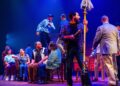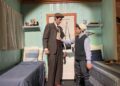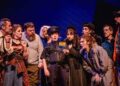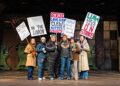


Eugene Levy, Jayne Eastwood, Andrea Martin, Victor Garber, Martin Short, Paul Shaffer, Dave Thomas and the late Gilda Radner are among the performers whose careers were launched or significantly shaped by Toronto’s 1972–73 production of Godspell at the Royal Alexandra Theatre.
More than five decades later, composer and lyricist Stephen Schwartz recalls that Toronto production as one of the funniest interpretations of his musical being staged anywhere in the world at the time.
Director Nick Davis’s film documentary You Had to Be There: How the Toronto Godspell Ignited the Comedy Revolution, Spread Love & Overalls and Created a Community that Changed the World (In A Canadian Kind of Way) sets out to preserve that remarkable chapter of Toronto theatre history before more of its firsthand witnesses are gone. It frames the production as a distinctly Canadian cultural memory. Davis’s central concern is preservation: keeping Toronto’s Godspell story from fading as firsthand recollections grow scarcer.
The production became a significant chapter in Toronto theatre history, although its reception was divided. Some theatregoers praised the show, while others objected to its depiction of Christ and the disciples as clowns.
No complete filmed record of the 1972 Toronto company survives. Beyond photographs, the visual archive amounts to a brief musical sequence captured during a technical run. The documentary therefore gives particular weight to an audio recording Martin Short made, placing two microphones on the upstage fencing and connecting them to a reel-to-reel recorder before a performance. Aware of the setup, Andrea Martin periodically moved toward a microphone while singing.
That incomplete record gives the documentary its title.
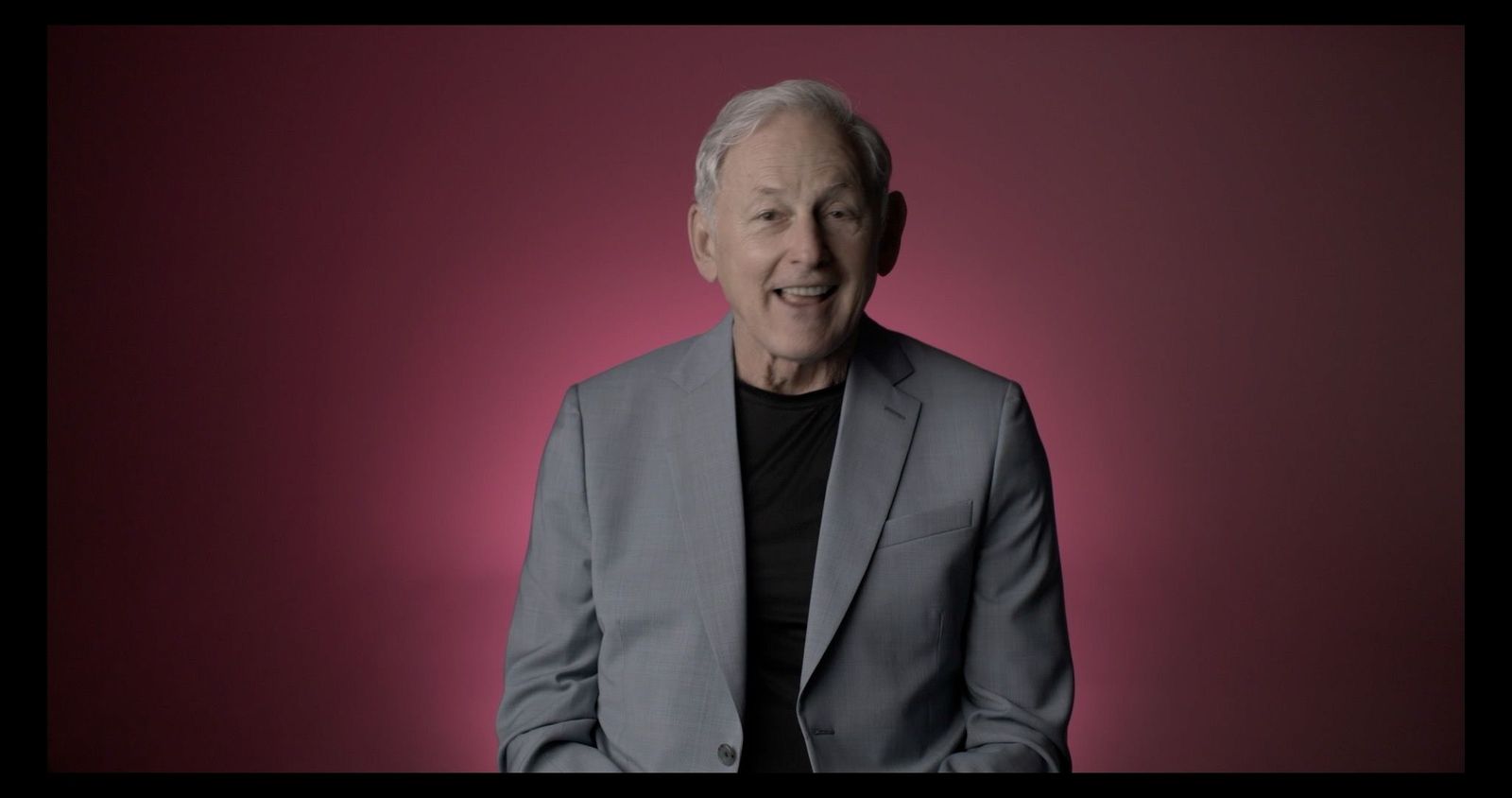
For those who attended the Toronto Godspell production, the film may serve as a reminder of an event experienced before its broader significance was clear. For everyone else, Davis relies on animation, interviews with surviving cast members and commentary from figures including Lin-Manuel Miranda to reconstruct what can no longer be seen in full.
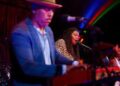
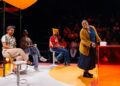
The cast members’ recollections are the documentary’s strongest material. Their reunion, which includes reminiscences and songs from the show, conveys both the production’s collaborative energy and the bonds formed around it.
Yet the film also acknowledges the limits of recollection: testimony can preserve an event, but it cannot reproduce the experience of being in the theatre.
In that sense, the title is less a nostalgic slogan than a statement about the gaps in the historical record.
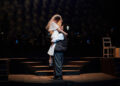
You Had to Be There is most effective when it lets surviving performers supply the texture the archive cannot. When they gather one evening for drinks, food, reminiscences and friendship, the affection among them—expressed in hugs, kisses and laughter—remains palpable more than 50 years later.
Their accounts move between humour and loss, particularly when they remember Gilda Radner. A later account by cast member Avril Chown of a horrific assault adds a more sombre dimension. Davis presents the disclosure without sensationalism, allowing it to register as part of the longer lives behind Toronto’s Godspell history.
Illuminating and often poignant, You Had to Be There is ultimately less a recreation of Toronto’s legendary Godspell than an examination of what remains when a theatrical event can no longer be fully seen. Davis cannot reconstruct the electricity of that Royal Alexandra Theatre production, nor can interviews, photographs, animation or a fragmentary audio recording completely bridge the distance between memory and experience. What the documentary can do—and does effectively—is preserve the voices of those who were there. In doing so, it makes a persuasive case for the Toronto Godspell as a formative moment in Canadian theatre history.