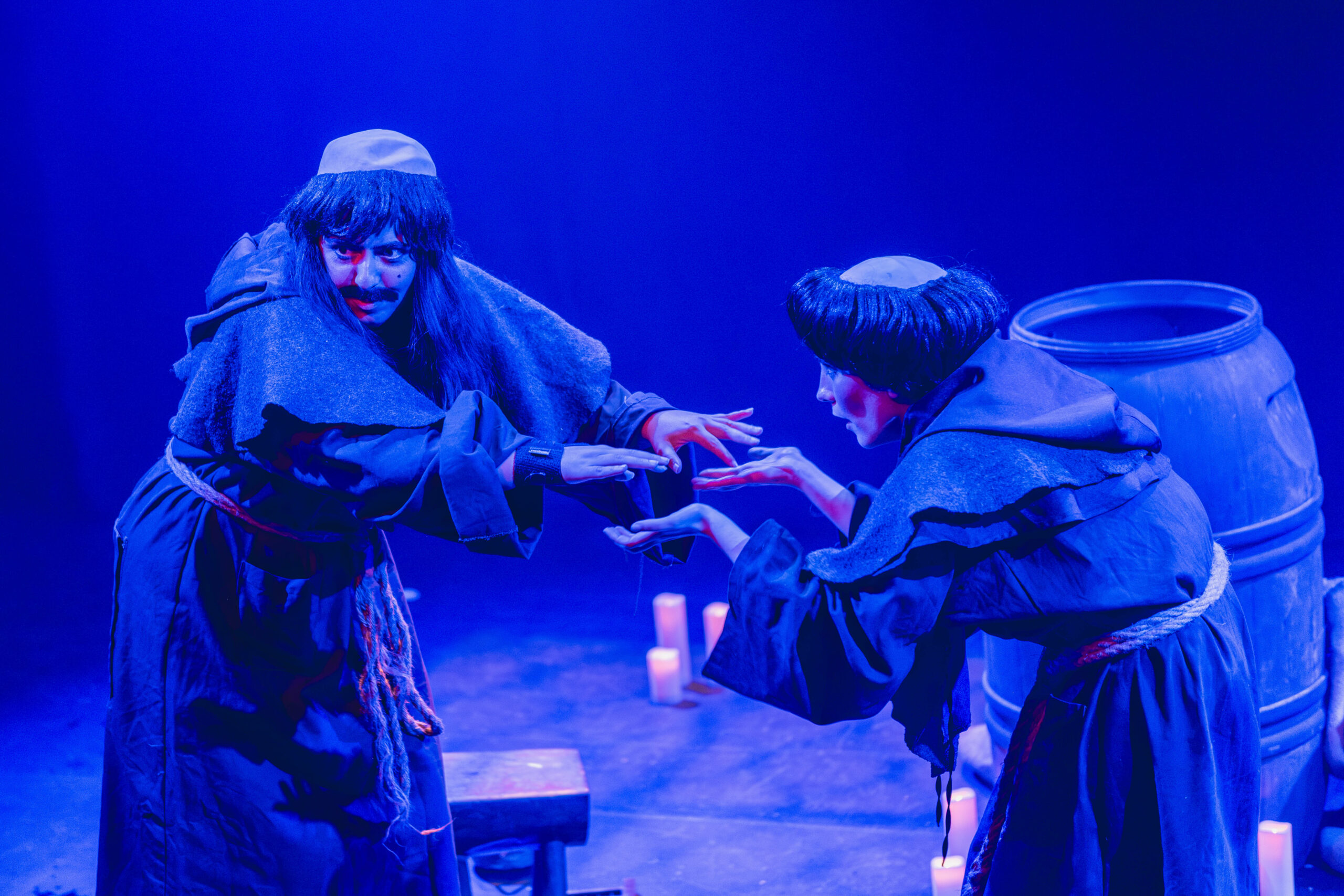


Described on the Howland Company Theatre website as a love letter performance poem, Susanna Fournier’s take rimbaud is set in two time periods: 1871 France (the Paris Commune) and 2014 Toronto. A harrowing conclusion that merges the two settings creates a striking sensory theatrical experience.
Fournier’s profound text explores the artistic lives and influence of four cynical and often troubled poets living on the brink of nihilism: Arthur Rimbaud (Thomas Mitchell Barnet, known as R), Paul Verlaine (Julian De Zotti, known as Paul), Sappho (Rose Tuong, known as Sapph), and Sylvia Plath (Ruth Goodwin, known as Syl). They have left a remarkable artistic legacy, yet still want to maintain their lives as creative artists amid the real world of paying bills, living in the dregs of city life, getting up in the morning, and functioning as literate adults.
These skeptical characters and their disordered artistic lives intertwine through their resistance to the established societal order. What’s the draw of seeing these often graphic interludes of sex, an eventual love triangle, an unfinished art film, and frank conversations with the characters? These four queer artists have become marketable in death. The startling reality – who gets remembered and who gets erased in the preservation of their art form, whether it’s written, spoken, or filmed?
take rimbaud becomes a wild rollercoaster ride of emotional, lustful intrigue in the critiquing of artistry and engaging historical re-thinking. There’s resistance to thought and change in this re-thinking of this collision. Fournier and director ted witzel throw a great deal of informational baggage to the audience. It’s a lot to sift through when piecing together the human connections.
For Fournier and witzel, this love letter performance poem becomes an uber-theatrical, literary, engaging piece of theatre that still haunts me the next day. It’s worth sitting in the front row if you can (as I was able). The intimate proximity of being so close to the action often drew my breath momentarily for the vernacular beauty of the language and the often vulgar in word and live action.
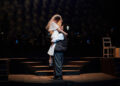
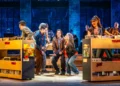
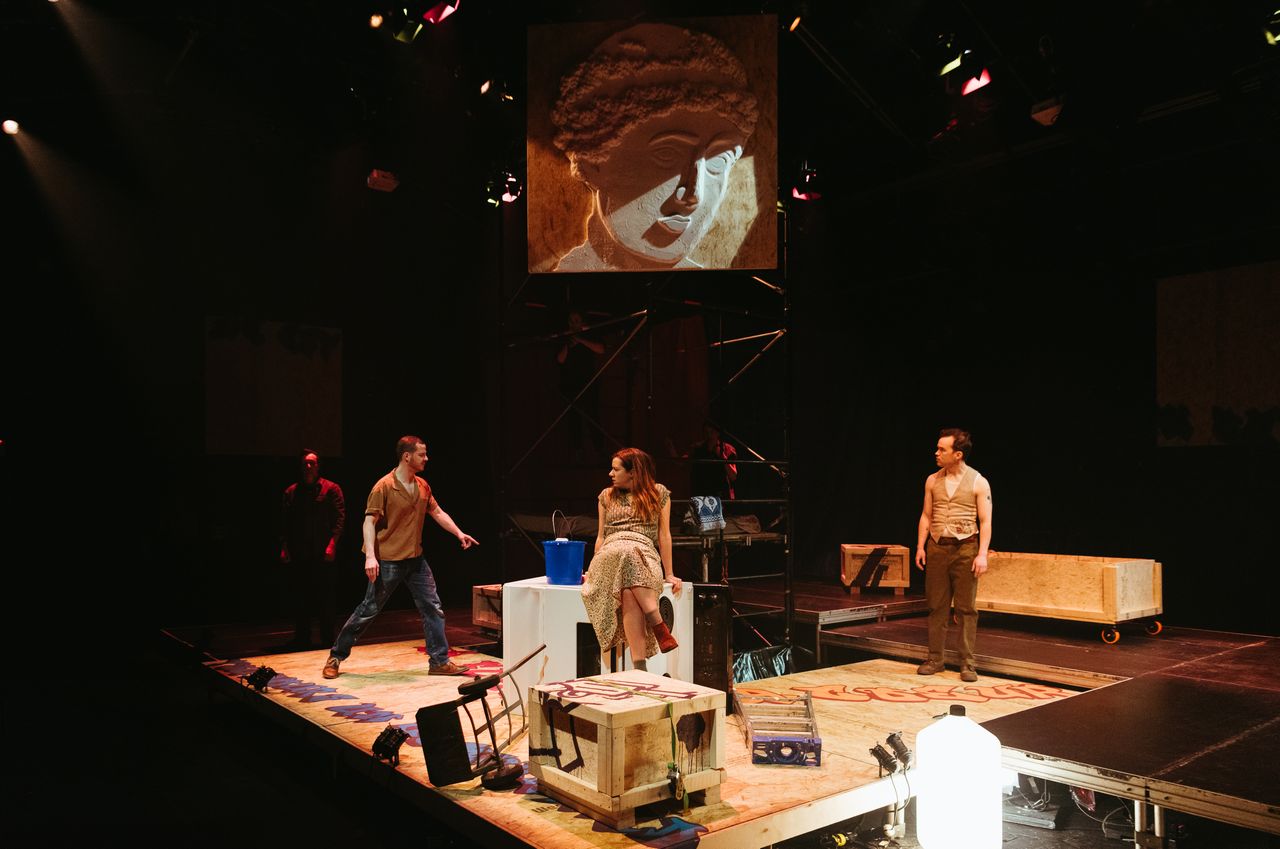
Darren Shaen’s lighting design mysteriously evokes a growing sense of uncertainty. Christine Urquhart’s angled set design, featuring tall scaffolding and plastic drop sheets, serves as a stark reminder that the audience enters an underworld. The setting could be either a film studio or a theatre stage, where every item, prop, set, and individual is assigned to a specific place and encountered at a particular moment. Dasha Plett’s sound design and composition are precisely and timely executed. Nicole Eun-Ju Bell’s projections aptly reflect the changing times and contexts.
ted witzel directs the production with an observant and innate sense of courage. There’s a desire to push boundaries further about artistry and historical reimagining. The fastidiousness of this driven eight-member ensemble cast suitably lives up to witzel’s boldly intimate and literate vision of troubled artists living on the brink of nihilism.
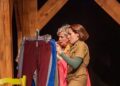
Carefully placed around the corners of the stage and scaffolding, Breton Lalama, Hallie Seline, Courtney Ch’ng Lancaster, and Cameron Laurie become contemporary reminders of a Greek chorus watching the central action, often with an objective, arms-length, and emotionally detached gaze. Throughout the story, they appear to be stage/film hands who set the scene, clean up at its end, set what needs to be done next, and then fluidly shift focus to another part of the story’s action. Ruth Goodwin’s Syl, Rose Tuong’s Sappho, Thomas Mitchell Barnet’s R and Julian De Zotti’s Paul deliver grand performances of heightened nihilistic uncertainty. They are caught in the cycle of making and unmaking, loving and failing, with godless consequences of pain, shame, and anger that already complement a need and yearning for change.
I held an online conversation with Ruth Goodwin a few weeks before rimbaud opened.
She said she hoped that audiences could sit with the production’s uncertainty during and afterwards. She also added that it’s important to keep creating anyway and to keep reaching out when art becomes messy, inconclusive (or even a combination of the two).
I did and still am doing so.
There are still moments when I feel an unease about the theatre and its creative artistry.
But I keep going because that’s the reason to attend the theatre. Sit with the unease, feel it, experience it and move forward.
That’s what take rimbaud accomplishes.
Running time: approximately one hour and 45 minutes with no intermission.
The production runs to May 23 at Buddies in Bad Times Theatre, 12 Alexander Street, Toronto. For tickets: buddiesinbadtime.com, howlandcompanytheatre.com or call (416) 975-8555.
BUDDIES IN BAD TIMES and HOWLAND COMPANY THEATRE present
The World Premiere
take rimbaud by Susanna Fournier
Director: ted witzel
Set and Costume Designer: Ting – Huan 挺歡 Christine Urquhart
Composer and Sound Designer: Dasha Plett
Lighting Designer: Darren Shaen
Projection Designer: Nicole Eun-Ju Bell
Intimacy Director: Chala Hunter
Fight Director: Julia Dyan
Stage Manager: Troy Taylor
Apprentice Stage Manager: Jenna Borsato
Performers: Thomas Mitchell Barnet, Julian De Zotti, Ruth Goodwin, Rose Tuong, Breton Lalama, Hallie Seline, Courtney Ch’ng Lancaster, Cameron Laurie